Blog · roof replacement · West Valley City, UT
What Are the Top 5 Roofing Materials for Utah Homes?
What are the top 5 roofing materials for West Valley City, UT homes? Compare options, costs & durability. Expert local guide. Call (385) 374-1833 for a free estim…
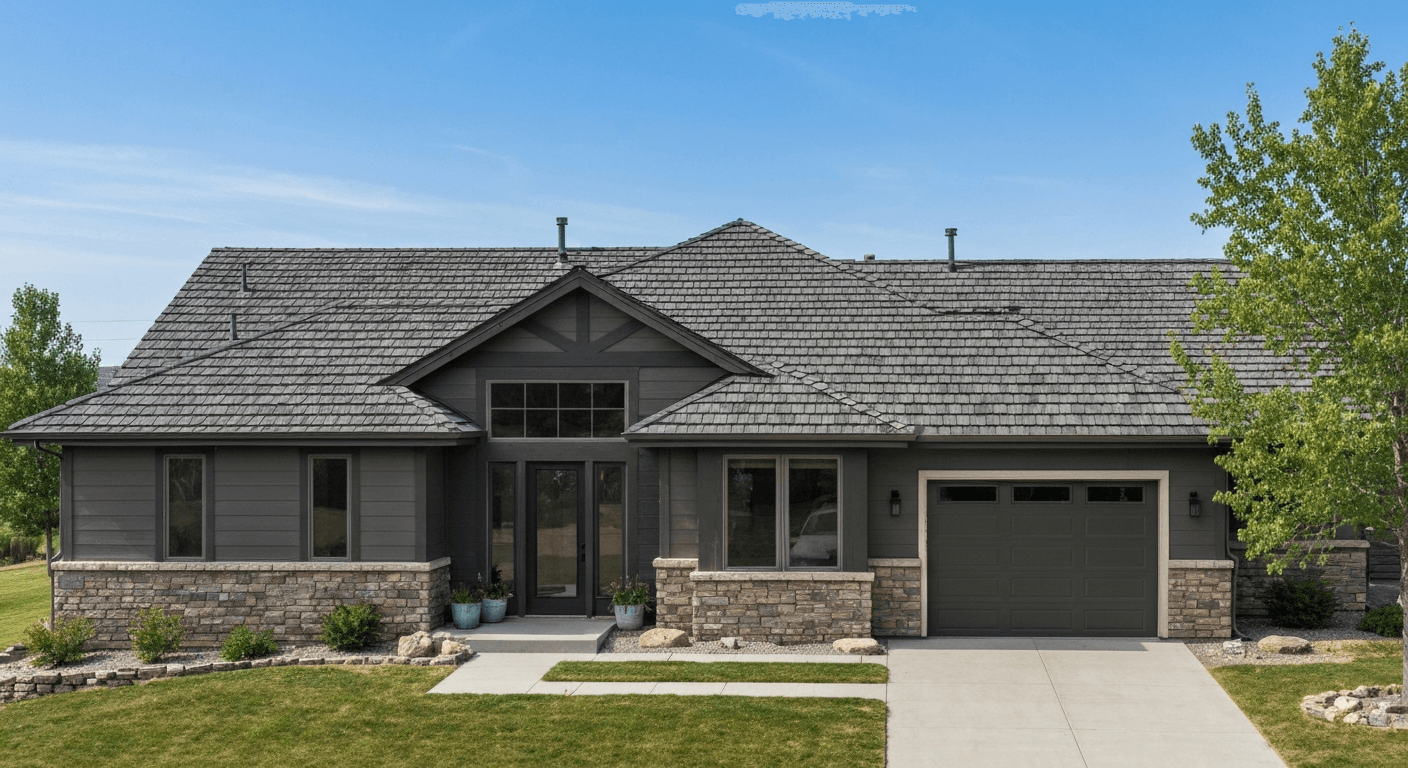
What Are the Top 5 Roofing Materials for West Valley City, UT Homes?
Homeowners planning a roof replacement often ask us: what are the top 5 roofing materials worth considering for a Utah home? The answer depends on your budget, your home's structure, and how long you plan to stay. This guide covers each option honestly — cost, lifespan, and how it holds up in the Salt Lake Valley's climate. Call (385) 374-1833 for a free estimate and material recommendation specific to your home.
The Top 5 Roofing Materials for Utah Homes
1. Architectural Asphalt Shingles
The most common choice for West Valley City homes, and for good reason. Architectural shingles are affordable, widely available, and carry 25–30 year warranties when installed correctly. They handle Utah's UV exposure and freeze-thaw cycles reasonably well. Cost: $9,000–$14,000 installed for a typical home.
Best for: Homeowners who want a reliable, cost-effective roof with a traditional appearance.
2. Impact-Resistant Asphalt Shingles
Class 4 impact-resistant shingles are worth serious consideration in Utah, where hailstorms can cause significant damage. They're thicker and more durable than standard architectural shingles, and many insurance carriers offer premium discounts for homes with Class 4 roofs. Cost: $11,000–$16,000 installed.
Best for: Homeowners in hail-prone areas or those looking to reduce long-term insurance costs.
3. Standing Seam Metal Roofing
Metal roofing is the premium long-term option. A standing seam system can last 40–70 years, sheds snow efficiently (important in the Salt Lake Valley), and requires minimal maintenance. The upfront cost is higher — $18,000–$30,000 for a typical home — but the math often works out over time. This is a key item on any serious roof replacement materials list for homeowners planning to stay long-term.
Best for: Homeowners who want a 40+ year solution and don't mind the higher upfront cost.
4. TPO / EPDM Flat Roofing
For homes with flat or low-slope sections — common on additions, garages, and some contemporary designs — TPO and EPDM membrane systems are the standard. TPO is heat-welded and highly UV-resistant. EPDM (rubber roofing) handles temperature extremes well. Cost: $6,000–$14,000 depending on square footage and system type.
Best for: Flat or low-slope roof sections on residential or commercial properties.
5. Concrete or Clay Tile
Tile roofing is less common in West Valley City than in warmer climates, but it's worth mentioning for homeowners with Spanish or Mediterranean-style homes. Tile is extremely durable (50+ years), fire-resistant, and handles UV well. The downsides: high cost ($20,000–$40,000+), significant weight (requires structural assessment), and fragility during installation and maintenance.
Best for: Specific architectural styles where tile is the appropriate match and the structure can support the weight.
Roofing Process Step by Step — What Happens During Installation
Regardless of material, the roofing process step by step follows a similar sequence:
- Tear-off of existing roofing
- Deck inspection and repair
- Underlayment and moisture barrier installation
- Primary material installation (shingles, panels, or membrane)
- Flashing at all penetrations and transitions
- Ridge treatment and ventilation
- Cleanup and final inspection
Knowing how to replace a shingle roof — or any roofing system — starts with understanding this sequence. Each step matters, and skipping or rushing any of them creates problems down the road.
A Note on Roof Sealants
The best roof sealant for leaks depends on the roofing material. For asphalt shingles, a rubberized asphalt sealant works well for minor flashing repairs. For metal roofing, use a sealant rated for metal-to-metal or metal-to-wood contact. For flat roofing membranes, use a product compatible with TPO or EPDM — incompatible sealants can actually degrade the membrane. When in doubt, call (385) 374-1833 — a proper repair is cheaper than a second leak.
Frequently Asked Questions
Which roofing material lasts the longest in Utah?
Metal roofing (standing seam) has the longest lifespan — 40–70 years. Tile is comparable but less practical for most Utah homes. Architectural asphalt shingles are the best value for most homeowners at 25–30 years.
What's on a standard roof replacement materials list?
For an asphalt shingle job: shingles, ice-and-water shield, synthetic underlayment, drip edge, pipe boots, step flashing, ridge cap, and ridge vent. Labor, tear-off, and haul-off are separate line items.
Can I mix roofing materials on different sections of my home?
Yes, in some cases — for example, asphalt shingles on the main roof and TPO on a flat addition. The transitions need to be properly flashed and detailed. Call (385) 374-1833 to discuss your specific situation.